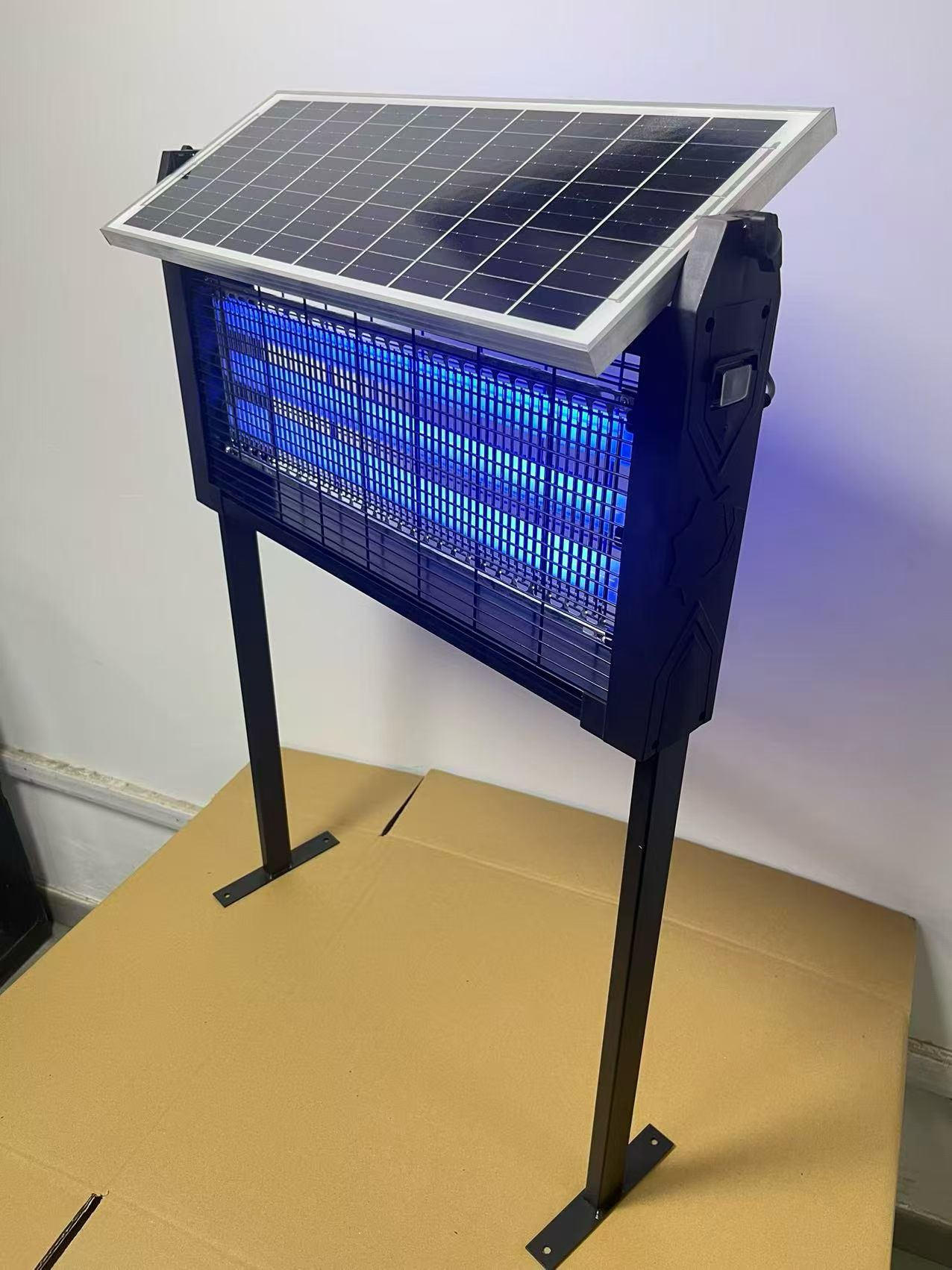
UV Mosquito Trap Buying Guide
Buying-guide content helps buyers understand attraction methods, product differences, and how to choose a suitable item for their market.
Article overview
This guide is organized like a professional buying article so readers can scan the topic quickly and then go deeper into the points that matter most for sourcing or product selection.
What buyers should know first
Buying-guide content helps buyers understand attraction methods, product differences, and how to choose a suitable item for their market.
UV Mosquito Trap Buying Guide should be evaluated through practical buying factors such as scene fit, power source, maintenance, safety, packaging, and order planning. The most important points in this article include: UV attraction style is easy for retail buyers to understand; Different housings fit different outdoor and indoor scenes; OEM buyers can compare shape, packaging, and market positioning.
Key topics
These articles discuss product selection, application differences, channel positioning, and buying considerations for overseas sourcing and retail planning.
- UV attraction style is easy for retail buyers to understand
- Different housings fit different outdoor and indoor scenes
- OEM buyers can compare shape, packaging, and market positioning
- A clear buying guide supports faster product selection
What UV buyers usually compare
High-ranking buying guides frequently compare light source, housing, and scene fit.
UV light intensity and attraction positioning
UV light intensity and attraction positioning should be reviewed as part of the full buying decision, not as an isolated feature. Buyers usually compare this point together with use scene, packaging direction, customer expectation, and overall supply planning before they move to sample or order discussion.
Housing style for balcony, patio, or pathway use
Housing style for balcony, patio, or pathway use should be reviewed as part of the full buying decision, not as an isolated feature. Buyers usually compare this point together with use scene, packaging direction, customer expectation, and overall supply planning before they move to sample or order discussion.
Noise level and family-use comfort
Noise level can strongly influence whether a product is suitable for patios, hotel terraces, balconies, or family-use scenes. Comfort-focused markets often prefer products that support evening use without creating an obvious disturbance.
Weather resistance for outdoor scenes
Weather resistance should always be checked against the actual scene, not only the sales description. Buyers should compare exposure to rain, open-air placement, shade structure, and cleaning routine before deciding which housing and protection level is most practical.
Good fit for private label planning
UV models are often selected for both function and retail presentation.
Retail-friendly appearance
Appearance matters more than many buyers expect, especially in patio, villa, hotel, and garden channels. A product with a cleaner visual fit is often easier to position in lifestyle-oriented retail programs and guest-facing outdoor projects.
Gift-box or color-box packaging direction
OEM and packaging points directly affect MOQ, approval timing, and repeat-order efficiency. It is better to confirm logo placement, box structure, insert-card direction, and carton mark details early so quotation and production planning stay aligned.
Easy category explanation for end users
Easy category explanation for end users should be reviewed as part of the full buying decision, not as an isolated feature. Buyers usually compare this point together with use scene, packaging direction, customer expectation, and overall supply planning before they move to sample or order discussion.
Good fit for OEM logo programs
OEM and packaging points directly affect MOQ, approval timing, and repeat-order efficiency. It is better to confirm logo placement, box structure, insert-card direction, and carton mark details early so quotation and production planning stay aligned.
How to use this information in real sourcing decisions
Professional buyer content usually becomes more useful when it connects technical or selection points back to actual quoting, sample review, and market planning.
UV attraction style is easy for retail buyers to understand
Retail-oriented points should be reviewed together with packaging, shelf presentation, and customer explanation. Buyers usually prefer products that are easy to understand, easy to display, and simple to position in seasonal or promotional assortments.
Different housings fit different outdoor and indoor scenes
Different housings fit different outdoor and indoor scenes should be reviewed as part of the full buying decision, not as an isolated feature. Buyers usually compare this point together with use scene, packaging direction, customer expectation, and overall supply planning before they move to sample or order discussion.
OEM buyers can compare shape, packaging, and market positioning
OEM and packaging points directly affect MOQ, approval timing, and repeat-order efficiency. It is better to confirm logo placement, box structure, insert-card direction, and carton mark details early so quotation and production planning stay aligned.
A clear buying guide supports faster product selection
A clear buying guide supports faster product selection should be reviewed as part of the full buying decision, not as an isolated feature. Buyers usually compare this point together with use scene, packaging direction, customer expectation, and overall supply planning before they move to sample or order discussion.
Common mistakes buyers should avoid
Ranking articles often become more practical when they also explain what buyers should not do during product selection and supplier communication.
Choosing by appearance only without checking real use conditions
Appearance matters more than many buyers expect, especially in patio, villa, hotel, and garden channels. A product with a cleaner visual fit is often easier to position in lifestyle-oriented retail programs and guest-facing outdoor projects.
Ignoring packaging, MOQ, and shipment timing until too late
OEM and packaging points directly affect MOQ, approval timing, and repeat-order efficiency. It is better to confirm logo placement, box structure, insert-card direction, and carton mark details early so quotation and production planning stay aligned.
Skipping sample review before final order confirmation
Sample-related discussion is important because it reduces mismatch before production. Buyers should use this stage to confirm appearance, basic function, packaging direction, and whether the final product story fits their target channel.
Practical buying advice
Use the points above to compare product fit, installation scene, operating style, packaging requirement, and supply planning before requesting a quote.
- Match the product format with the actual use scene
- Confirm power source and maintenance expectations early
- Review MOQ, packaging, and lead time before final planning
- Use samples to check appearance, function, and market fit
Common questions related to this topic
These questions help extend the article into practical sourcing and buying discussions, which also makes the page feel more complete and useful.
Why does this topic matter for buyers?
UV Mosquito Trap Buying Guide matters because buyers often compare products by real use conditions, not just by appearance. Topics such as uv attraction style is easy for retail buyers to understand can affect channel fit, customer satisfaction, and order planning.
What should be checked before requesting a quote?
Before requesting a quote, buyers should review use scene, power source, packaging direction, sample need, MOQ expectation, and whether the product style fits the intended market or channel.
Does this topic affect OEM or wholesale planning?
Yes. Many practical buying points also affect OEM and wholesale decisions because packaging, logo application, maintenance expectation, and shipment planning usually need to be aligned early.
How should buyers continue the discussion with a supplier?
The best next step is to send the target model, expected quantity, market, application scene, and any branding or packaging request so the supplier can respond with a more focused recommendation.
Need a product recommendation from the factory?
Use the inquiry form to share your target application, quantity plan, and branding idea.