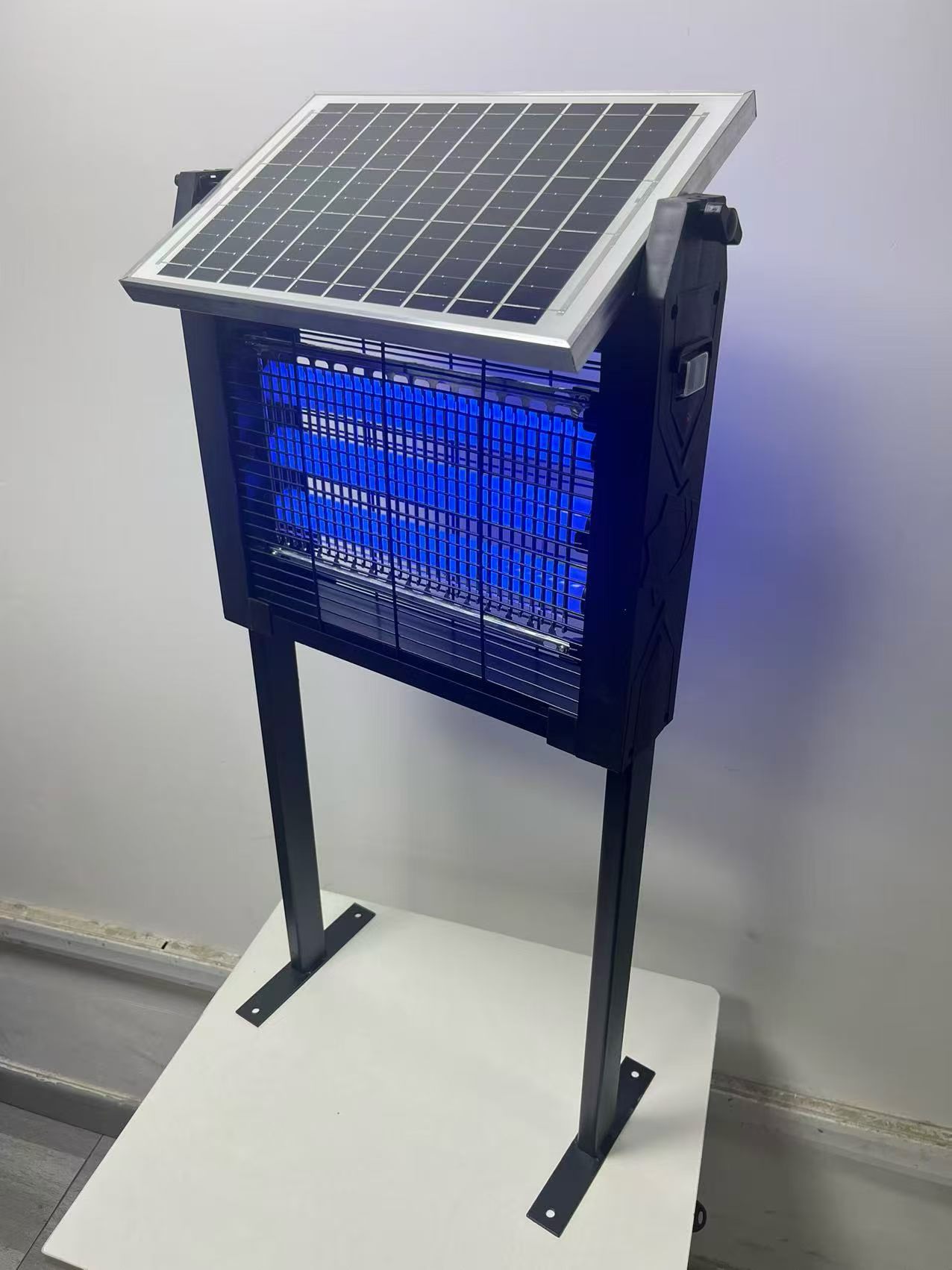
Solar vs Electric Mosquito Lamp
Solar and electric mosquito lamps serve different market needs depending on installation, style, and user expectations.
Article overview
Start with the short answer to Solar vs Electric Mosquito Lamp, then use the comparison sections, common mistakes, and buyer questions to prepare a focused product inquiry.
What buyers should know first
Solar and electric mosquito lamps serve different market needs depending on installation, style, and user expectations.
Solar vs Electric Mosquito Lamp should be evaluated through practical buying factors such as scene fit, power source, maintenance, safety, packaging, and order planning. The most important points in this article include: Solar styles are often preferred for decorative outdoor use; Electric models can suit fixed-power environments and indoor use; Different markets care about convenience, appearance, and cost.
Key topics
Use these solar vs electric mosquito lamp points to compare product fit, application differences, channel positioning, and the details needed for overseas sourcing.
- Solar styles are often preferred for decorative outdoor use
- Electric models can suit fixed-power environments and indoor use
- Different markets care about convenience, appearance, and cost
- A clear comparison helps buyers choose the right product line
Power and installation differences
Real comparison articles often separate products by power source and placement needs.
Solar models need good sunlight exposure
For solar vs electric mosquito lamp, evaluate solar models need good sunlight exposure against the actual product, buyer channel, and use scene. Solar-powered models depend on stable daylight exposure and realistic charging conditions. Confirm that the installation area receives enough sunlight and that the charging routine matches end-user expectations.
Electric models fit stable plug-in locations
For solar vs electric mosquito lamp, evaluate electric models fit stable plug-in locations against the actual product, buyer channel, and use scene. Treat this point as part of the full buying decision and compare it with the use scene, packaging direction, customer expectation, sample result, and supply plan.
Rechargeable options improve portability
For solar vs electric mosquito lamp, evaluate rechargeable options improve portability against the actual product, buyer channel, and use scene. Battery details affect portability, charging routine, storage, runtime expectations, transport information, and the way the product is explained to end users.
Wall-mount and portable formats suit different channels
For solar vs electric mosquito lamp, evaluate wall-mount and portable formats suit different channels against the actual product, buyer channel, and use scene. Portable buyers usually compare carrying size, charging flexibility, storage, packing efficiency, and setup time more closely than fixed-installation features.
Which channel prefers which type
Buyer intent often changes by retail channel and project scene.
Garden and patio channels often prefer solar stories
For solar vs electric mosquito lamp, evaluate garden and patio channels often prefer solar stories against the actual product, buyer channel, and use scene. Solar-powered models depend on stable daylight exposure and realistic charging conditions. Confirm that the installation area receives enough sunlight and that the charging routine matches end-user expectations.
Fixed-use hospitality zones may consider electric options
For solar vs electric mosquito lamp, evaluate fixed-use hospitality zones may consider electric options against the actual product, buyer channel, and use scene. Wall, pole, and other fixed formats suit projects that need stable placement and saved floor space, but the installer must also plan power, access, and servicing.
Camping and travel lines prefer rechargeable portability
For solar vs electric mosquito lamp, evaluate camping and travel lines prefer rechargeable portability against the actual product, buyer channel, and use scene. Portable buyers usually compare carrying size, charging flexibility, storage, packing efficiency, and setup time more closely than fixed-installation features.
Project buyers often compare maintenance and installation effort
For solar vs electric mosquito lamp, evaluate project buyers often compare maintenance and installation effort against the actual product, buyer channel, and use scene. A consistent cleaning routine affects long-term performance and customer satisfaction. Review how the unit opens, how debris is removed, and who will carry out routine inspections.
How to use this information in real sourcing decisions
Apply the solar vs electric mosquito lamp criteria to the quotation, sample review, target channel, and launch schedule before choosing a model.
Solar styles are often preferred for decorative outdoor use
For solar vs electric mosquito lamp, evaluate solar styles are often preferred for decorative outdoor use against the actual product, buyer channel, and use scene. Solar-powered models depend on stable daylight exposure and realistic charging conditions. Confirm that the installation area receives enough sunlight and that the charging routine matches end-user expectations.
Electric models can suit fixed-power environments and indoor use
For solar vs electric mosquito lamp, evaluate electric models can suit fixed-power environments and indoor use against the actual product, buyer channel, and use scene. Wall, pole, and other fixed formats suit projects that need stable placement and saved floor space, but the installer must also plan power, access, and servicing.
Different markets care about convenience, appearance, and cost
For solar vs electric mosquito lamp, evaluate different markets care about convenience, appearance, and cost against the actual product, buyer channel, and use scene. Appearance is especially important in patio, villa, hotel, and garden channels where the product remains visible beside furniture, pathways, or landscaping.
A clear comparison helps buyers choose the right product line
For solar vs electric mosquito lamp, evaluate a clear comparison helps buyers choose the right product line against the actual product, buyer channel, and use scene. Treat this point as part of the full buying decision and compare it with the use scene, packaging direction, customer expectation, sample result, and supply plan.
Common mistakes buyers should avoid
Avoid these common mistakes when using solar vs electric mosquito lamp to compare products, review samples, and confirm an order.
Assuming every outdoor area provides enough sunlight for solar charging
For solar vs electric mosquito lamp, evaluate assuming every outdoor area provides enough sunlight for solar charging against the actual product, buyer channel, and use scene. Solar-powered models depend on stable daylight exposure and realistic charging conditions. Confirm that the installation area receives enough sunlight and that the charging routine matches end-user expectations.
Choosing by appearance only without checking real use conditions
For solar vs electric mosquito lamp, evaluate choosing by appearance only without checking real use conditions against the actual product, buyer channel, and use scene. Appearance is especially important in patio, villa, hotel, and garden channels where the product remains visible beside furniture, pathways, or landscaping.
Ignoring packaging, MOQ, and shipment timing until too late
For solar vs electric mosquito lamp, evaluate ignoring packaging, moq, and shipment timing until too late against the actual product, buyer channel, and use scene. Confirm logo placement, box structure, insert-card direction, barcode, and carton marks early because these details can affect MOQ, approval timing, and repeat-order consistency.
Skipping sample review before final order confirmation
For solar vs electric mosquito lamp, evaluate skipping sample review before final order confirmation against the actual product, buyer channel, and use scene. Use the sample stage to confirm appearance, basic operation, accessories, packaging direction, required changes, and the exact reference for production approval.
Practical buying advice
Use the solar vs electric mosquito lamp criteria above to compare product fit, installation scene, operating style, packaging requirements, and supply planning before requesting a quote.
- Match the product format with the actual use scene
- Confirm power source and maintenance expectations early
- Review MOQ, packaging, and lead time before final planning
- Use samples to check appearance, function, and market fit
Common questions related to this topic
Use these solar vs electric mosquito lamp answers to narrow the product type and prepare the information a supplier needs for a useful quotation.
Why does this topic matter for buyers?
Solar vs Electric Mosquito Lamp matters because buyers often compare products by real use conditions, not just by appearance. Topics such as solar styles are often preferred for decorative outdoor use can affect channel fit, customer satisfaction, and order planning.
What should be checked before requesting a quote?
For solar vs electric mosquito lamp, review the use scene, power source, packaging direction, sample need, MOQ expectation, and whether the product style fits the intended market or channel.
Does this topic affect OEM or wholesale planning?
Yes. The decisions covered in solar vs electric mosquito lamp can affect packaging, logo application, maintenance expectations, sample approval, and shipment planning for OEM or wholesale orders.
How should buyers continue the discussion with a supplier?
After reviewing solar vs electric mosquito lamp, send the target model, expected quantity, market, application scene, and any branding or packaging request for a focused recommendation.
Need a product recommendation from the factory?
For solar vs electric mosquito lamp, share your target application, quantity plan, and branding idea in the inquiry form.