Bug Zapper vs Mosquito Trap: Buyer Comparison
Bug zapper and mosquito trap are often used as broad category terms, but buyers should compare the actual operating method, housing, placement, and maintenance needs of each model.
Article overview
Start with the short answer to Bug Zapper vs Mosquito Trap: Buyer Comparison, then use the comparison sections, common mistakes, and buyer questions to prepare a focused product inquiry.
What buyers should know first
Bug zapper and mosquito trap are often used as broad category terms, but buyers should compare the actual operating method, housing, placement, and maintenance needs of each model.
Bug Zapper vs Mosquito Trap: Buyer Comparison should be evaluated through practical buying factors such as scene fit, power source, maintenance, safety, packaging, and order planning. The most important points in this article include: Compare operating method rather than relying on the category name; Match installation and maintenance to the use scene; Review noise, light visibility, and protective housing.
Key topics
Use these bug zapper vs mosquito trap: buyer comparison points to compare product fit, application differences, channel positioning, and the details needed for overseas sourcing.
- Compare operating method rather than relying on the category name
- Match installation and maintenance to the use scene
- Review noise, light visibility, and protective housing
- Choose terminology customers will understand in the target market
What changes the buying decision
The practical differences come from how the product attracts and contains insects, how it is powered, and where it can be serviced.
Electric grid or fan-suction format
For bug zapper vs mosquito trap: buyer comparison, evaluate electric grid or fan-suction format against the actual product, buyer channel, and use scene. Treat this point as part of the full buying decision and compare it with the use scene, packaging direction, customer expectation, sample result, and supply plan.
Solar, rechargeable, or plug-in power
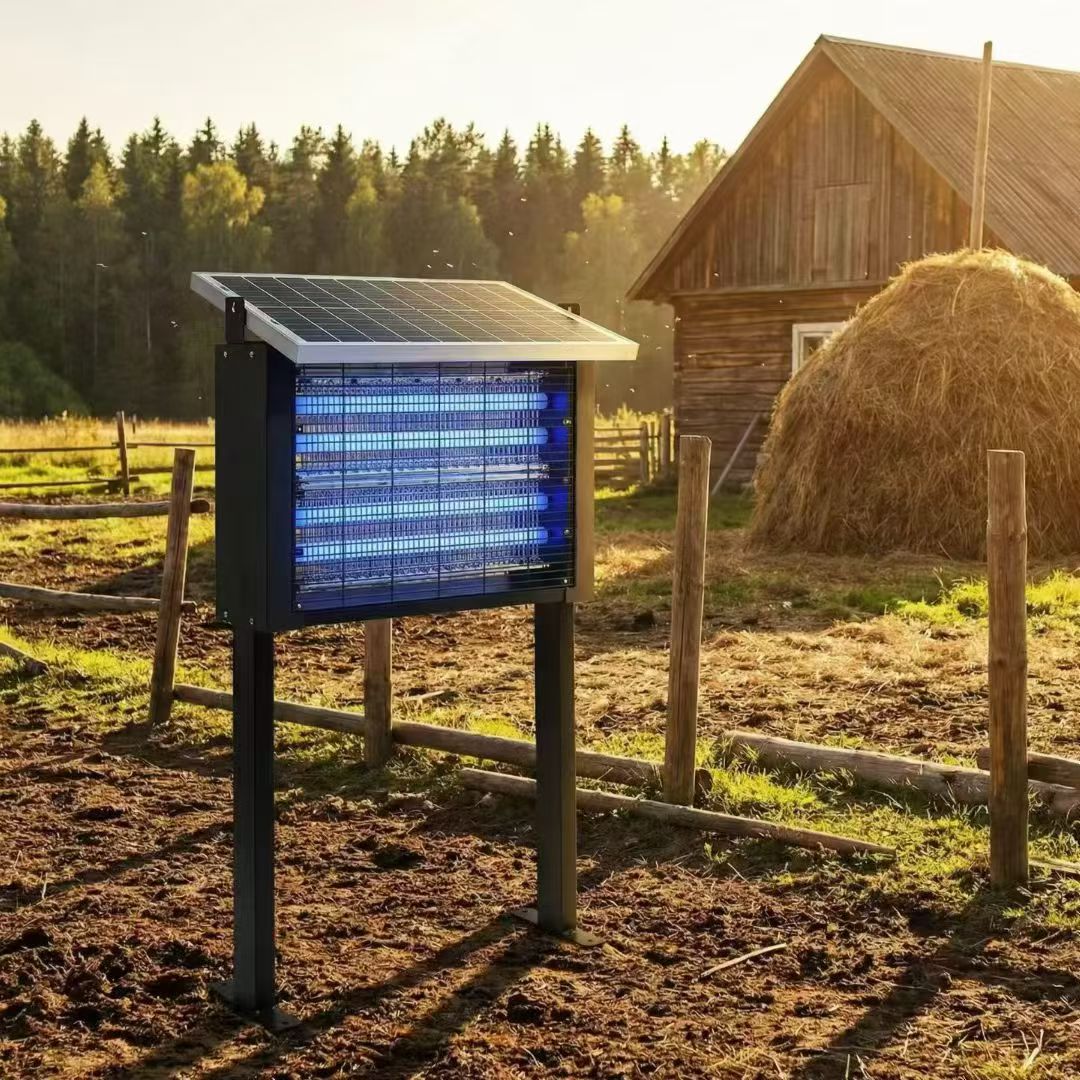
For bug zapper vs mosquito trap: buyer comparison, evaluate solar, rechargeable, or plug-in power against the actual product, buyer channel, and use scene. Solar-powered models depend on stable daylight exposure and realistic charging conditions. Confirm that the installation area receives enough sunlight and that the charging routine matches end-user expectations.
Collection and cleaning method
For bug zapper vs mosquito trap: buyer comparison, evaluate collection and cleaning method against the actual product, buyer channel, and use scene. A consistent cleaning routine affects long-term performance and customer satisfaction. Review how the unit opens, how debris is removed, and who will carry out routine inspections.
Tabletop, hanging, wall, pole, or ground placement
For bug zapper vs mosquito trap: buyer comparison, evaluate tabletop, hanging, wall, pole, or ground placement against the actual product, buyer channel, and use scene. Check the distance from seating, food areas, walls, plants, drains, competing lights, and walkways so the unit fits the space without becoming intrusive.
Match the product to the channel
Retail, camping, hospitality, and project buyers may describe similar products differently and prioritize different benefits.
Garden and outdoor living retail
For bug zapper vs mosquito trap: buyer comparison, evaluate garden and outdoor living retail against the actual product, buyer channel, and use scene. Review packaging, shelf presentation, customer explanation, launch season, and replenishment timing together so the item is easy to understand and display.
Camping and portable accessories
For bug zapper vs mosquito trap: buyer comparison, evaluate camping and portable accessories against the actual product, buyer channel, and use scene. Portable buyers usually compare carrying size, charging flexibility, storage, packing efficiency, and setup time more closely than fixed-installation features.
Hotel and restaurant procurement
For bug zapper vs mosquito trap: buyer comparison, evaluate hotel and restaurant procurement against the actual product, buyer channel, and use scene. Hospitality teams need practical operation, controlled light and noise, visual consistency, secure placement, and a maintenance routine that works across several guest areas.
Landscape and contractor supply
For bug zapper vs mosquito trap: buyer comparison, evaluate landscape and contractor supply against the actual product, buyer channel, and use scene. Check installation method, quantity by zone, maintenance responsibility, spare-unit planning, packing, and procurement workflow before a project order moves forward.
How to use this information in real sourcing decisions
Apply the bug zapper vs mosquito trap: buyer comparison criteria to the quotation, sample review, target channel, and launch schedule before choosing a model.
Compare operating method rather than relying on the category name
For bug zapper vs mosquito trap: buyer comparison, evaluate compare operating method rather than relying on the category name against the actual product, buyer channel, and use scene. Treat this point as part of the full buying decision and compare it with the use scene, packaging direction, customer expectation, sample result, and supply plan.
Match installation and maintenance to the use scene
For bug zapper vs mosquito trap: buyer comparison, evaluate match installation and maintenance to the use scene against the actual product, buyer channel, and use scene. A consistent cleaning routine affects long-term performance and customer satisfaction. Review how the unit opens, how debris is removed, and who will carry out routine inspections.
Review noise, light visibility, and protective housing
For bug zapper vs mosquito trap: buyer comparison, evaluate review noise, light visibility, and protective housing against the actual product, buyer channel, and use scene. Noise and visible light can determine whether a model suits patios, hotel terraces, balconies, or family areas, especially during evening use.
Choose terminology customers will understand in the target market
For bug zapper vs mosquito trap: buyer comparison, evaluate choose terminology customers will understand in the target market against the actual product, buyer channel, and use scene. Treat this point as part of the full buying decision and compare it with the use scene, packaging direction, customer expectation, sample result, and supply plan.
Common mistakes buyers should avoid
Avoid these common mistakes when using bug zapper vs mosquito trap: buyer comparison to compare products, review samples, and confirm an order.
Choosing by appearance only without checking real use conditions
For bug zapper vs mosquito trap: buyer comparison, evaluate choosing by appearance only without checking real use conditions against the actual product, buyer channel, and use scene. Appearance is especially important in patio, villa, hotel, and garden channels where the product remains visible beside furniture, pathways, or landscaping.
Ignoring packaging, MOQ, and shipment timing until too late
For bug zapper vs mosquito trap: buyer comparison, evaluate ignoring packaging, moq, and shipment timing until too late against the actual product, buyer channel, and use scene. Confirm logo placement, box structure, insert-card direction, barcode, and carton marks early because these details can affect MOQ, approval timing, and repeat-order consistency.
Skipping sample review before final order confirmation
For bug zapper vs mosquito trap: buyer comparison, evaluate skipping sample review before final order confirmation against the actual product, buyer channel, and use scene. Use the sample stage to confirm appearance, basic operation, accessories, packaging direction, required changes, and the exact reference for production approval.
Practical buying advice
Use the bug zapper vs mosquito trap: buyer comparison criteria above to compare product fit, installation scene, operating style, packaging requirements, and supply planning before requesting a quote.
- Match the product format with the actual use scene
- Confirm power source and maintenance expectations early
- Review MOQ, packaging, and lead time before final planning
- Use samples to check appearance, function, and market fit
Common questions related to this topic
Use these bug zapper vs mosquito trap: buyer comparison answers to narrow the product type and prepare the information a supplier needs for a useful quotation.
Why does this topic matter for buyers?
Bug Zapper vs Mosquito Trap: Buyer Comparison matters because buyers often compare products by real use conditions, not just by appearance. Topics such as compare operating method rather than relying on the category name can affect channel fit, customer satisfaction, and order planning.
What should be checked before requesting a quote?
For bug zapper vs mosquito trap: buyer comparison, review the use scene, power source, packaging direction, sample need, MOQ expectation, and whether the product style fits the intended market or channel.
Does this topic affect OEM or wholesale planning?
Yes. The decisions covered in bug zapper vs mosquito trap: buyer comparison can affect packaging, logo application, maintenance expectations, sample approval, and shipment planning for OEM or wholesale orders.
How should buyers continue the discussion with a supplier?
After reviewing bug zapper vs mosquito trap: buyer comparison, send the target model, expected quantity, market, application scene, and any branding or packaging request for a focused recommendation.
Need a product recommendation from the factory?
For bug zapper vs mosquito trap: buyer comparison, share your target application, quantity plan, and branding idea in the inquiry form.